October 6, 2026
After an accident, knowing what happens once your vehicle enters a repair facility can make the process easier to navigate. Collision damage may range from visible dents and scratches to less obvious structural or mechanical issues, so professional repairs typically involve several stages before your vehicle is ready to return to the road.
Understanding what to expect at a local car body shop can also help you prepare for inspections, insurance coordination, repairs, and final quality checks. While every repair is different, knowing the general process can give you a clearer idea of what happens from the initial estimate through the completion of the work.
Inspecting the Vehicle and Planning Repairs
Vehicle Damage Inspection
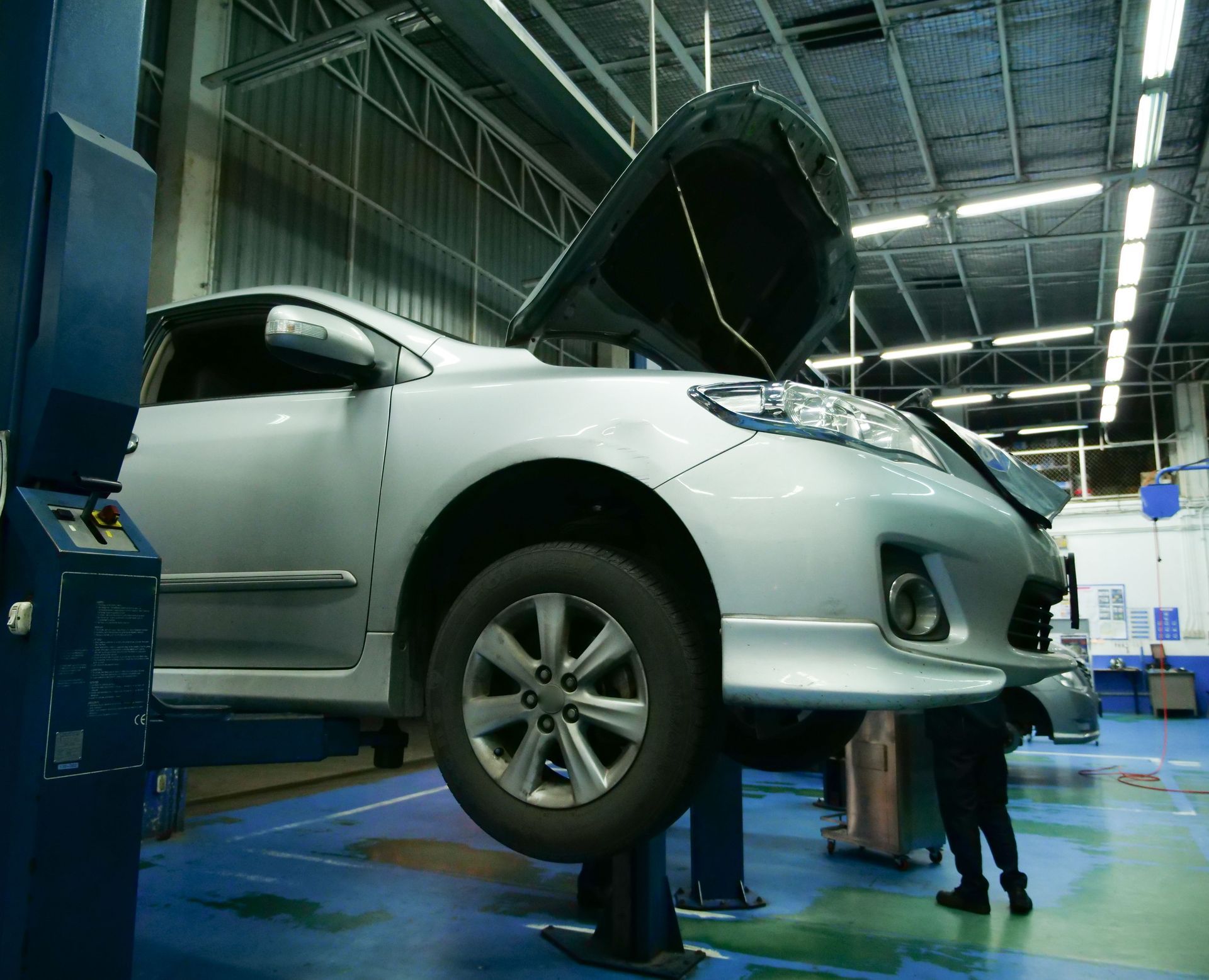
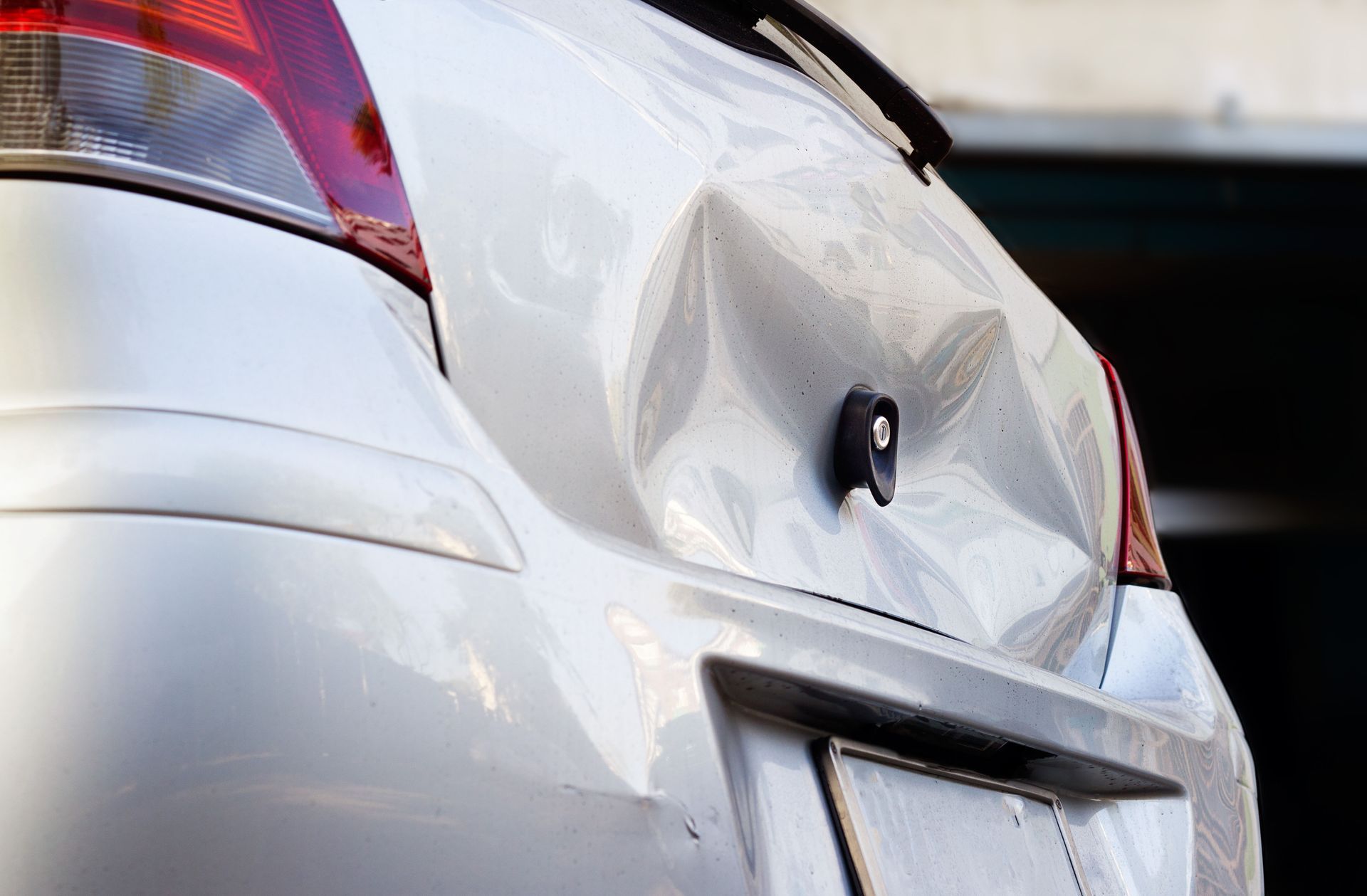
The repair process generally begins with a detailed inspection of the vehicle. Technicians examine the areas affected by the collision and look for both obvious and hidden damage. A vehicle may appear to have only a damaged bumper or dented fender, but an impact can also affect components behind the exterior panels. Identifying the full scope of damage before repairs begin helps establish an appropriate repair plan.
At a local car body shop, technicians may document the vehicle's condition, identify damaged components, and determine which parts require repair or replacement. Structural areas may also be evaluated when the collision was significant. This information gives the repair team a better understanding of the work required and helps establish expectations before the repair process moves forward.
Reviewing the Estimate
Once the vehicle has been inspected, the repair facility can prepare an estimate based on the identified damage. The estimate may account for labor, replacement parts, refinishing, structural repairs, and other services required to restore the vehicle. If additional damage is discovered after disassembly, the original estimate may need to be updated to reflect the newly identified work.
A clear estimate can also help vehicle owners understand what will happen next. Repair facilities frequently communicate with insurance companies during this stage, providing documentation and information needed for claim processing. When the shop and insurer coordinate effectively, approvals and other administrative steps can move forward without requiring the vehicle owner to manage every detail independently.
Establishing the Repair Plan
After the damage and estimate have been reviewed, the repair team develops a plan for restoring the vehicle. The sequence can vary depending on the type and severity of the damage. More extensive collisions may require structural repairs before exterior components can be replaced and refinished, while minor cosmetic damage may require fewer steps.
The repair plan also provides a framework for coordinating parts, labor, insurance approvals, and other requirements. At a local car body shop, technicians can use the inspection findings to determine how the vehicle should be disassembled, repaired, refinished, and reassembled. This preparation helps ensure that important repair steps are addressed rather than focusing only on the damage that is easiest to see.
Completing the Necessary Repair Work
Structural and Body Repairs
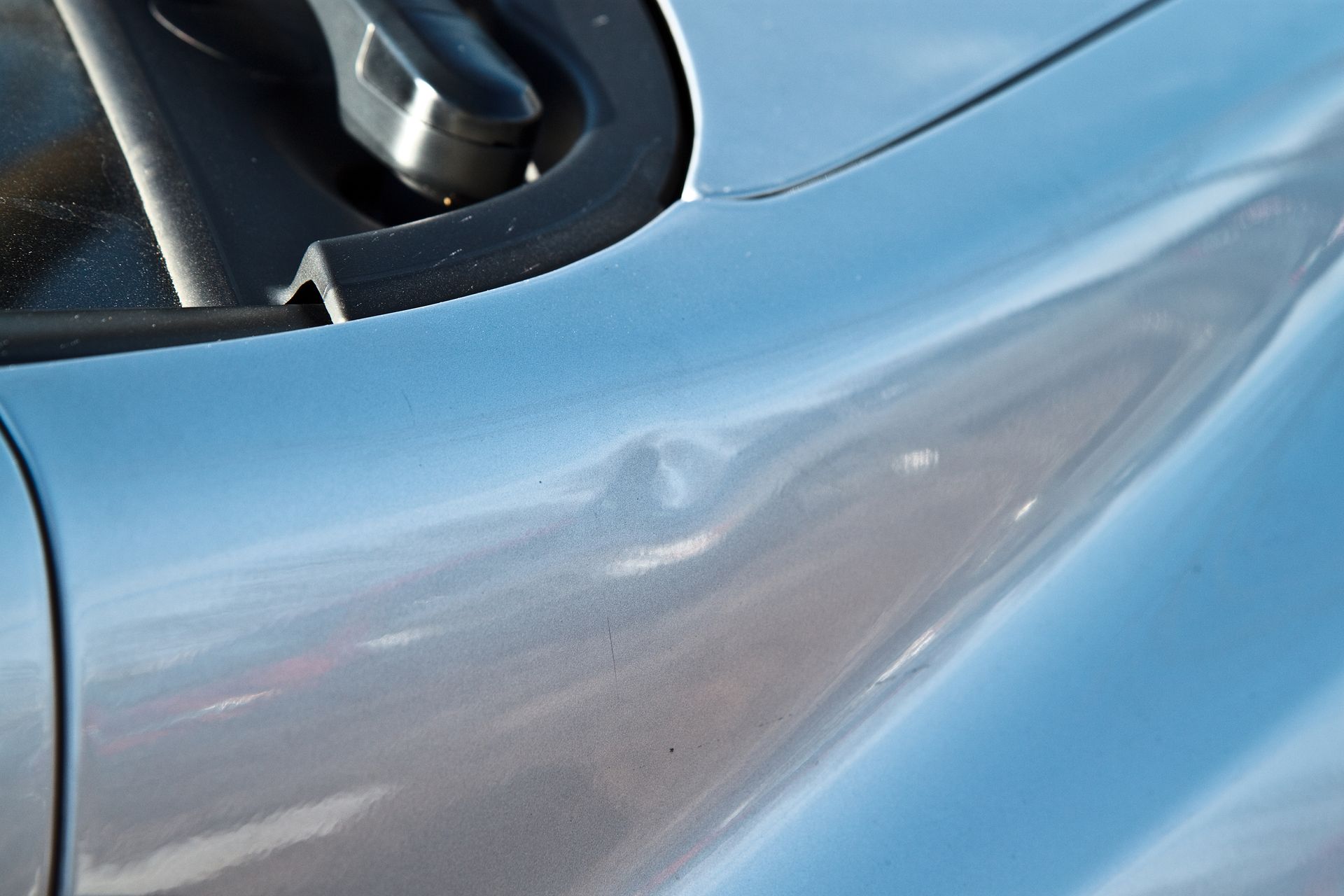
Once the repair plan is approved, technicians can begin addressing the vehicle's damage. Depending on the collision, this may include repairing or replacing body panels, removing dents, repairing bumpers, restoring structural components, or performing frame straightening. Structural work is particularly important because proper alignment can affect how a vehicle handles and performs after an accident.
Technicians may use specialized measuring and repair equipment to evaluate structural components and return them to appropriate specifications. A local car body shop may also inspect repaired areas more than once throughout the process to verify that measurements and alignments remain correct. These steps help address damage that could otherwise affect the vehicle after the visible repairs are completed.
Parts Replacement and Refinishing
Some damaged components can be repaired, while others may need to be replaced. The appropriate approach depends on the extent and location of the damage, the condition of the component, and the requirements of the repair. Once replacement parts are installed or bodywork has been completed, refinishing may be necessary to restore the vehicle's exterior appearance.
Paint preparation and color matching are important parts of the refinishing process. Technicians may carefully prepare repaired surfaces before applying paint and blending it with adjacent areas. The objective is to create a consistent appearance rather than leaving an obvious difference between newly refinished panels and the vehicle's existing finish.
Reassembly and System Checks
After major body and refinishing work is completed, technicians begin putting the vehicle back together. Components removed during the repair must be correctly reinstalled, and areas affected by the collision may require additional inspections. Depending on the vehicle and the nature of the accident, safety-related systems may also need to be checked or calibrated.
A local car body shop may perform diagnostic and calibration procedures when collision repairs affect systems such as cameras, sensors, or other driver assistance components. These checks are intended to verify that relevant systems function as expected after repairs. Reassembly is therefore more than simply putting exterior parts back in place, as multiple vehicle components may need to work together correctly before the repair can be considered complete.
Managing the Timeline and Final Inspection
Understanding the Repair Timeline
Repair times vary considerably because no two collision repairs are exactly alike. Factors such as the severity of the damage, the number of components requiring work, parts availability, insurance approvals, and the complexity of the repair can all affect how long a vehicle remains at the facility. A minor dent repair may take substantially less time than a collision involving structural damage and multiple replacement components.
According to WifiTalents, the average vehicle collision repair cycle is currently about 17.5 days. This figure provides general context, but an individual vehicle may require significantly more or less time depending on its circumstances. A repair facility can provide a more useful timeline after inspecting the vehicle and determining the work that needs to be completed.
Staying Updated During Repairs
Communication is another important part of the repair experience. Vehicle owners may have questions about the progress of their repairs, changes to the original estimate, parts availability, or the expected completion date. Regular updates can help vehicle owners understand what is happening without having to guess about the status of their vehicle.
At a local car body shop, communication may also involve coordination with the insurance provider. If additional damage is discovered after repairs begin, the facility may need to document the findings and obtain authorization before continuing with certain work. Keeping the vehicle owner informed throughout these changes helps clarify why the repair timeline or estimated cost may change.
Completing the Final Quality Inspection
Before a repaired vehicle is returned to its owner, the repair team should conduct a final inspection. This stage provides an opportunity to review the completed work and verify that repairs, refinishing, reassembly, and other required procedures have been addressed. Technicians may inspect panel alignment, paint quality, repaired areas, and components that were affected by the collision.
The final inspection is also an opportunity to confirm that the vehicle is ready for normal use. At a local car body shop, the repair team can review the finished vehicle for issues that may need additional attention before delivery. Once the required work has been completed and the vehicle has passed the appropriate checks, the owner can arrange to pick it up and return to their regular driving routine.
Having a vehicle repaired after an accident can involve more than correcting the damage that is immediately visible. Inspection, estimating, insurance coordination, structural repairs, parts replacement, refinishing, reassembly, system checks, and final inspections may all be part of the process. Understanding these stages can make it easier to know what questions to ask and what to expect while your vehicle is being repaired. Contact CARSTAR today to schedule your free estimate and get your vehicle's repairs started.