October 5, 2026
The aftermath of a rear-end collision can leave drivers with questions about vehicle damage, insurance coordination, and the repair process. Some damage may be immediately visible, while other issues may require a more thorough inspection to identify. Understanding how collision damage is evaluated and repaired can help vehicle owners know what to expect as their vehicle moves through the repair process. The extent of the damage can vary depending on the force and location of the impact, so the repair process may involve several different services.
A thorough inspection can help identify the areas of the vehicle that require attention before repair work begins. Depending on the condition of the vehicle, repairs may involve exterior components, structural areas, glass, bumpers, paint, or other collision-related systems. Knowing how these steps fit together can help vehicle owners better understand the work involved in returning a damaged vehicle to the repair process.
Thorough Assessment of Collision Damage
Inspect for Visible and Hidden Damage
A thorough inspection after a rear-end collision can identify both visible and hidden damage. Collision damage may affect exterior panels, bumpers, paint, structural components, or the vehicle's frame. A body shop can inspect the vehicle before repairs begin to help determine which areas require attention and provide a clearer repair plan.
Check Structural Components
More significant collisions may affect the vehicle's structural components. Frame misalignment can affect the vehicle and make structural inspection an important part of the repair process. A body shop can use precision measuring systems to help identify misalignment and determine the appropriate repair approach.
Review Exterior Damage
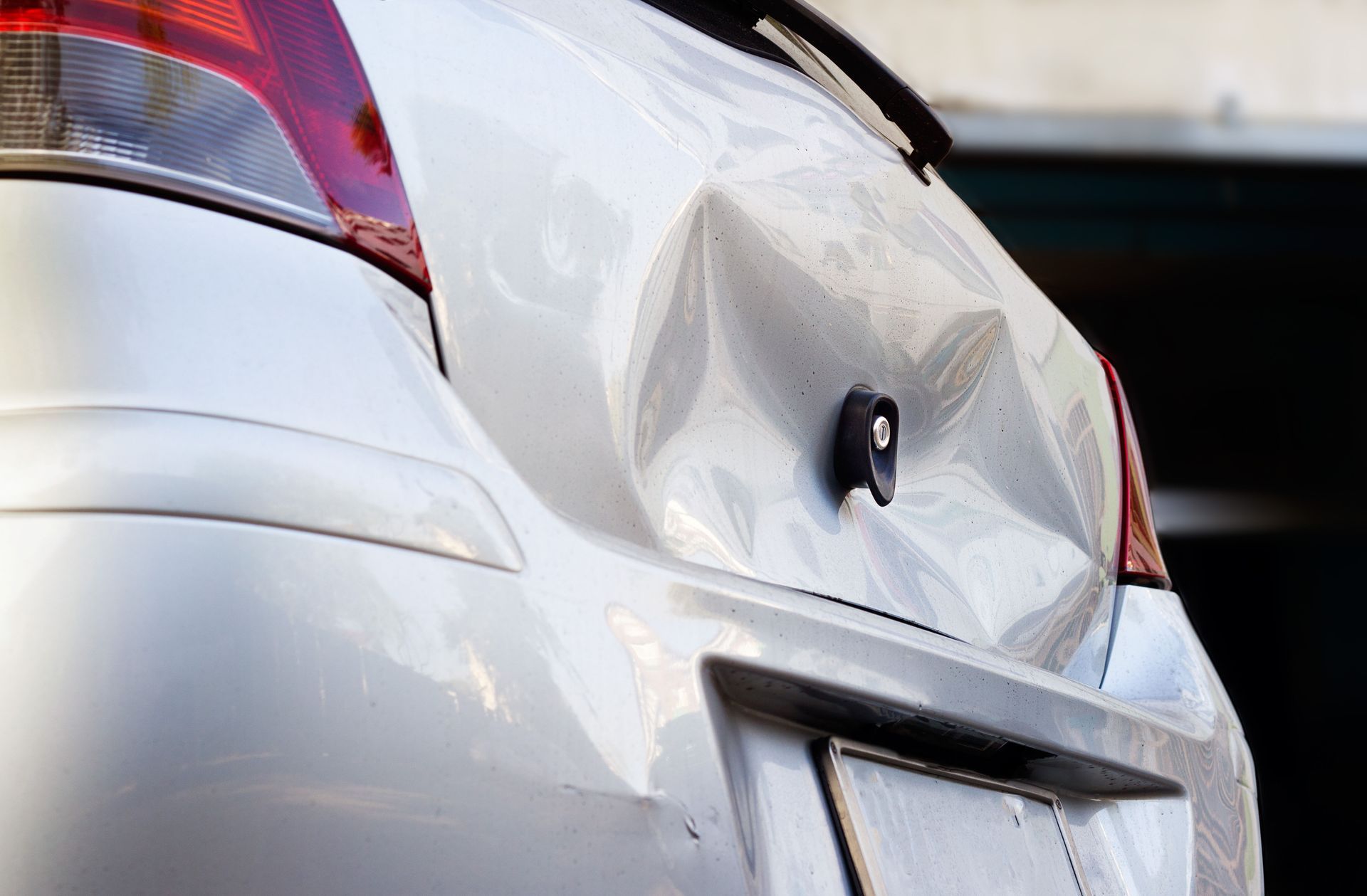
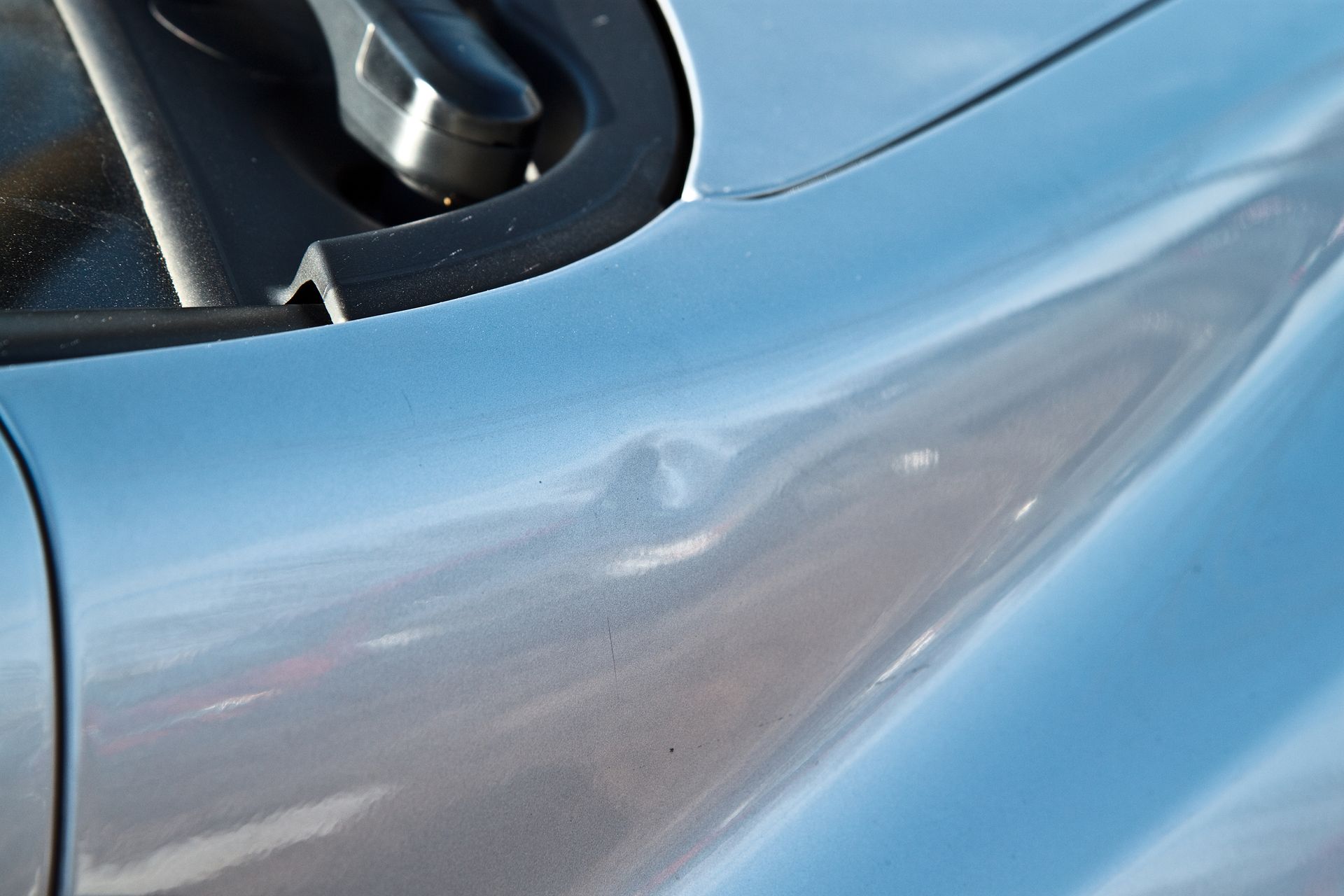
Rear-end impacts can damage bumpers, body panels, paint, and other exterior surfaces. Depending on the extent of the damage, repairs may include dent removal, paintless dent repair, bumper repair or replacement, paint matching, and refinishing. A body shop can determine which combination of services is appropriate for the affected areas.
Clear Insurance Claim Coordination
Start the Claims Process
After a rear-end collision, contacting your insurance company can begin the claims process. According to WifiTalents, rear-end collisions make up 33% of all vehicle repair claims submitted to insurance. Having information about the accident and vehicle damage available can help provide a clear picture of what happened and what repairs may be needed.
Document Vehicle Damage
Documenting vehicle damage can provide useful information during the insurance process. Photos of visible damage and information about the collision can provide additional details when discussing repairs with an insurance provider. A thorough vehicle inspection at a body shop can also identify damage that may not be immediately apparent.
Coordinate With Insurance Providers
Insurance coordination can be part of the collision repair process. A body shop can communicate directly with insurance providers, coordinate repair requirements, and help keep the claims process organized as repairs are planned. This communication can help clarify the information needed as the repair process moves forward.
Review Repair Requirements
Insurance approval can affect when collision repairs begin. Repair planning involves evaluating the vehicle's damage and determining the work needed to restore it. Keeping communication open between the vehicle owner, repair facility, and insurance provider can help clarify the next steps.
Comprehensive Vehicle Repair
Choose Appropriate Repair Services
The extent of collision damage determines which repair services may be needed. A rear-end collision can require anything from dent removal and bumper repair to frame straightening, structural repair, paint matching, refinishing, glass work, or ADAS calibration. A body shop can inspect the affected areas and establish the appropriate repair process.
Repair or Replace Damaged Parts
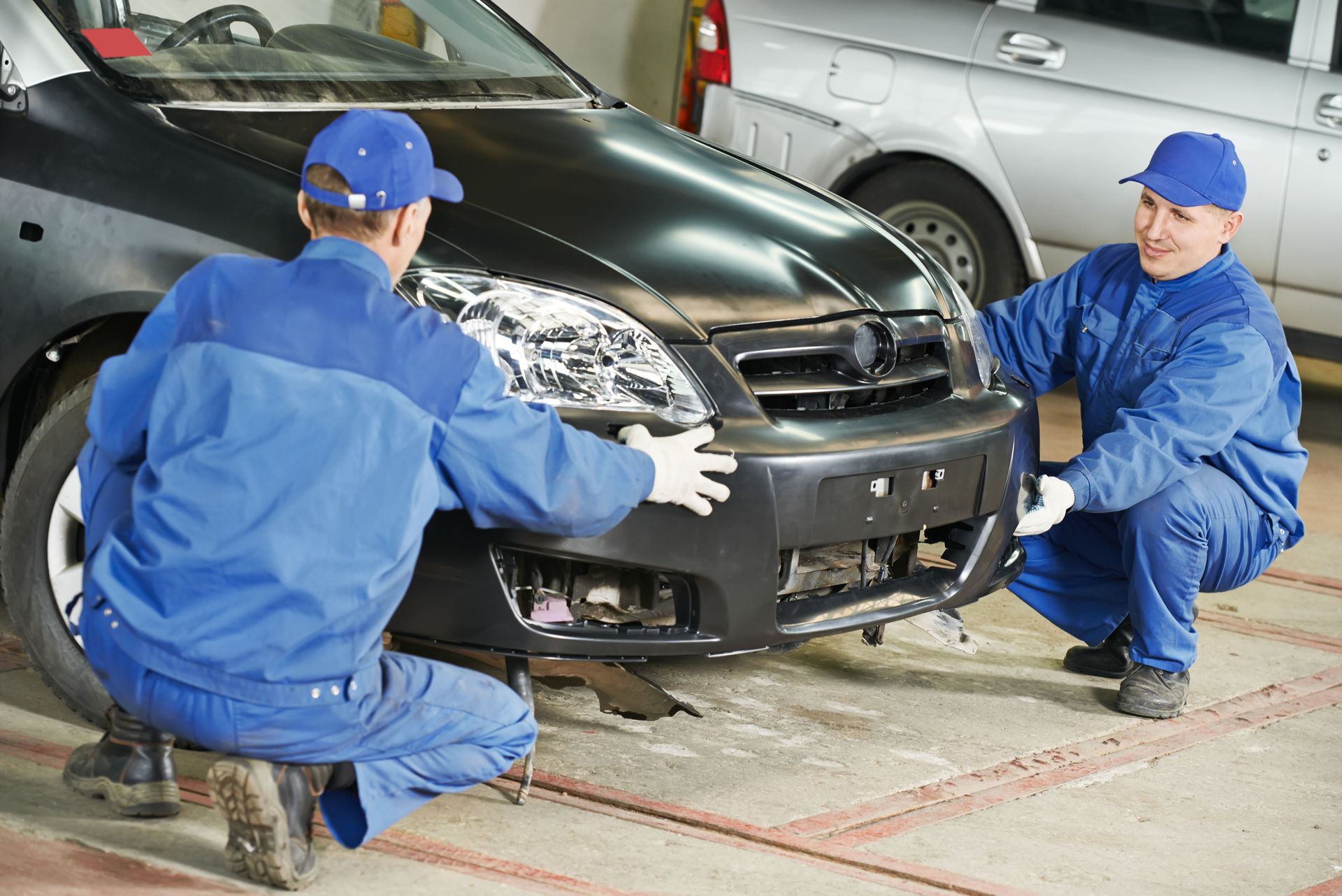
Collision repairs can involve repairing damaged components or replacing parts that are too heavily damaged to restore. The appropriate approach depends on the condition of the affected area. Heavily damaged panels may require replacement, while other dents may be addressed through paintless dent repair or traditional bodywork.
Restore the Exterior Finish
Rear-end collisions can leave scratches, dents, and damaged paint that affect the vehicle's appearance. Depending on the condition of the affected areas, repairs may include paint matching and refinishing to help blend repaired sections with the surrounding finish. A body shop can address the affected exterior areas as part of the collision repair process.
Repair Glass and Bumpers
Collision damage can affect vehicle glass and bumpers as well as body panels. Depending on the damage, services may include glass repair or replacement, windshield repair or replacement, bumper repair, or bumper replacement. A body shop can determine which services are needed depending on the condition of the damaged areas.
Calibrate Safety Systems
Collision repairs or part replacement can affect advanced driver assistance systems. ADAS calibration can address affected sensors and cameras and help restore systems such as lane assistance and collision warning features to their intended operation. The calibration process can be included when collision repairs or replacement work affects these systems.
Efficient Repair Process
Arrange Vehicle Towing
A vehicle that cannot be safely driven after a collision may need to be transported to a repair facility. Towing assistance can help arrange transportation so the damaged vehicle can reach the appropriate facility for inspection and repair. This service can help move the vehicle into the repair process when driving it is not practical.
Coordinate Rental Transportation
Vehicle repairs can affect normal transportation needs. Rental vehicle assistance can help coordinate transportation options while collision repairs are underway. This assistance can help reduce some of the disruption caused by having a vehicle out of service.
Rental transportation can provide an option for maintaining normal travel needs while a vehicle is being repaired. Availability and transportation arrangements may depend on the circumstances of the repair. Coordinating these details early can help vehicle owners plan for the time their vehicle is unavailable.
Track Repair Progress
Clear communication can make the repair process easier to follow. Staying informed about the identified damage, required repairs, and progress of the work can help vehicle owners understand what is happening throughout the repair process. Communication with the repair facility can also help clarify changes or additional repair requirements.
Address Hail Damage
Hail can cause dents and other exterior damage that require a different repair approach. Depending on the severity, hail damage services may include paintless dent repair, traditional bodywork, panel replacement, paint matching, refinishing, and glass or windshield repair or replacement. A body shop can evaluate the affected areas and determine which repair services apply.
Hail damage can affect multiple areas of a vehicle, with dents and exterior damage varying depending on the severity of the storm. Some affected areas may require dent repair, while more extensive damage may call for additional bodywork or replacement. Evaluating the condition of the vehicle can help determine the appropriate approach for addressing the damage.
Consider Fleet Repair Needs
Collision repair needs can extend to commercial fleets. Fleet services can include collision repair, dent removal, paintless dent repair, frame straightening, structural repairs, paint matching, paint refinishing, glass replacement, windshield repair, and bumper repair or replacement. Fleet vehicle maintenance programs are also available for businesses managing multiple vehicles.
A rear-end collision can leave behind damage that is not immediately visible, making a thorough inspection an important part of the repair process. From structural and exterior repairs to insurance coordination and ADAS calibration, the appropriate services depend on the vehicle's condition and the extent of the impact. CARSTAR helps drivers and businesses throughout the Kansas City area navigate collision repairs and related services, and owners can learn more about available auto body and collision repair services and what to expect throughout the process.