June 4, 2026
Auto collisions can range from minor fender benders to severe impacts that leave extensive damage behind. No matter the severity, drivers often rely on experienced repair professionals to restore their vehicles safely and correctly. Because accidents happen in many different ways, repair technicians must understand how each type of collision affects a vehicle's structure, appearance, and performance. Many local car body shops help drivers navigate the repair process while ensuring vehicles meet proper safety standards again.
Professional repair services are especially important because collision damage is not always immediately visible. Even when exterior dents seem minor, underlying structural problems can affect handling, alignment, and long-term reliability. Understanding the most common collision types can help drivers recognize why thorough inspections and quality repairs matter after an accident.
1. Rear-End Collisions
Common Causes of Rear-End Accidents
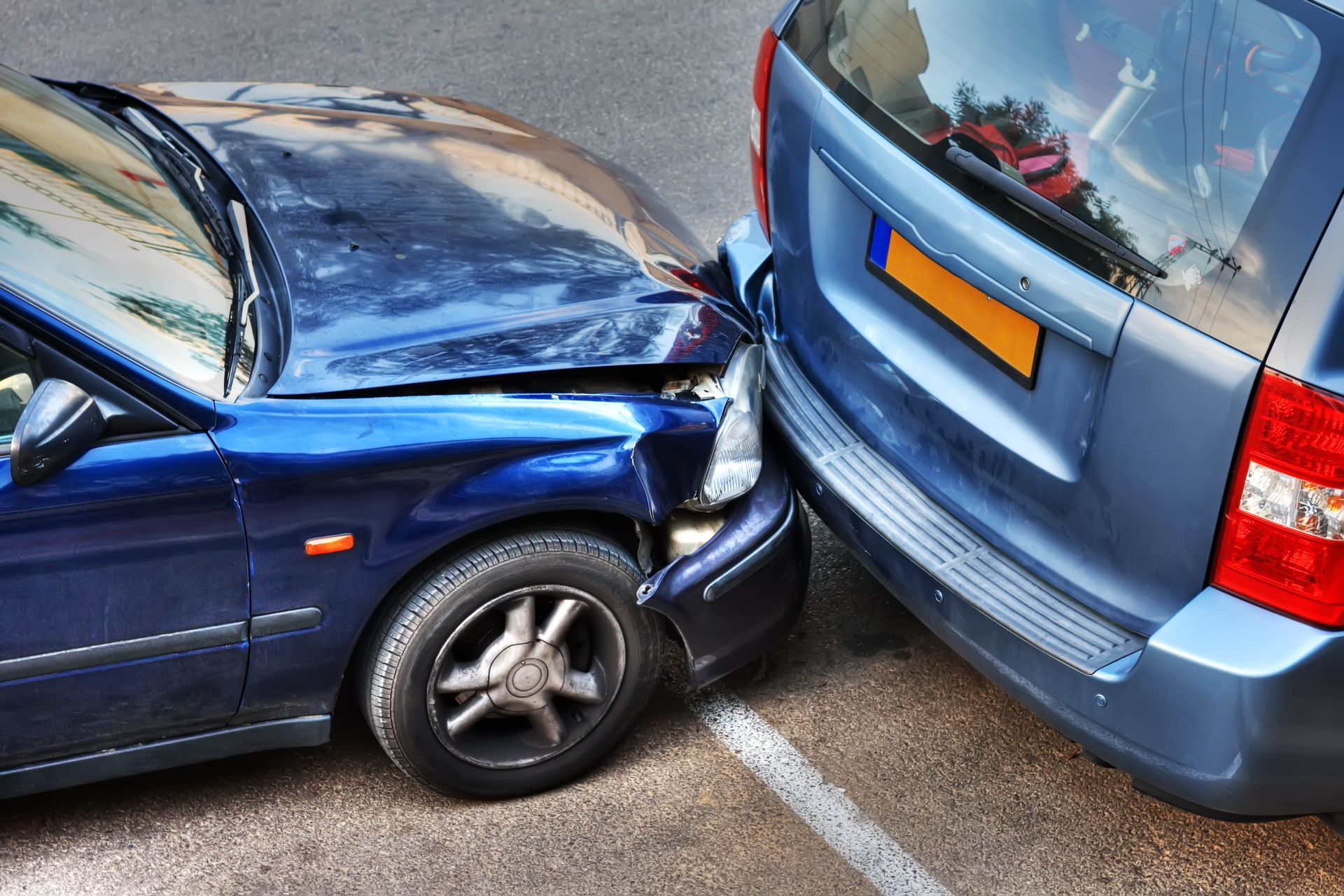
Rear-end collisions are among the most common accidents drivers experience on the road. These crashes usually happen when one vehicle strikes the back of another during heavy traffic, sudden stops, distracted driving situations, or poor weather conditions. Even low-speed impacts can create significant damage because the force of the collision often transfers directly into bumpers, trunks, and frame components.
Drivers frequently underestimate the amount of hidden damage these accidents can create. While the visible damage may appear limited to scratches or dents, internal vehicle systems can also be affected. Suspension components, exhaust systems, and trunk alignment may all require repairs after a rear-end crash. This is one reason many local car body shops perform detailed inspections before beginning repair work.
Damage Commonly Seen After Rear-End Crashes
The severity of damage from a rear-end collision depends on vehicle speed, impact angle, and the size of the vehicles involved. In many cases, technicians repair crushed bumpers, bent trunk lids, damaged taillights, and warped quarter panels. More serious accidents may also lead to frame misalignment that impacts the vehicle's handling and stability on the road.
According to WifiTalents, rear-end crashes account for roughly 33% of all repair claims submitted through insurance providers. Because these accidents occur so frequently, repair professionals have extensive experience addressing the structural and cosmetic damage they create. Proper repair techniques help restore the vehicle's safety features and improve overall driving performance after the accident.
Why Professional Repairs Matter for Rear-End Damage
Repairing rear-end damage involves more than replacing damaged exterior parts. Technicians must also verify that the frame remains properly aligned and that safety systems still function correctly. If these issues are overlooked, the vehicle may experience uneven tire wear, steering problems, or reduced crash protection in future accidents.
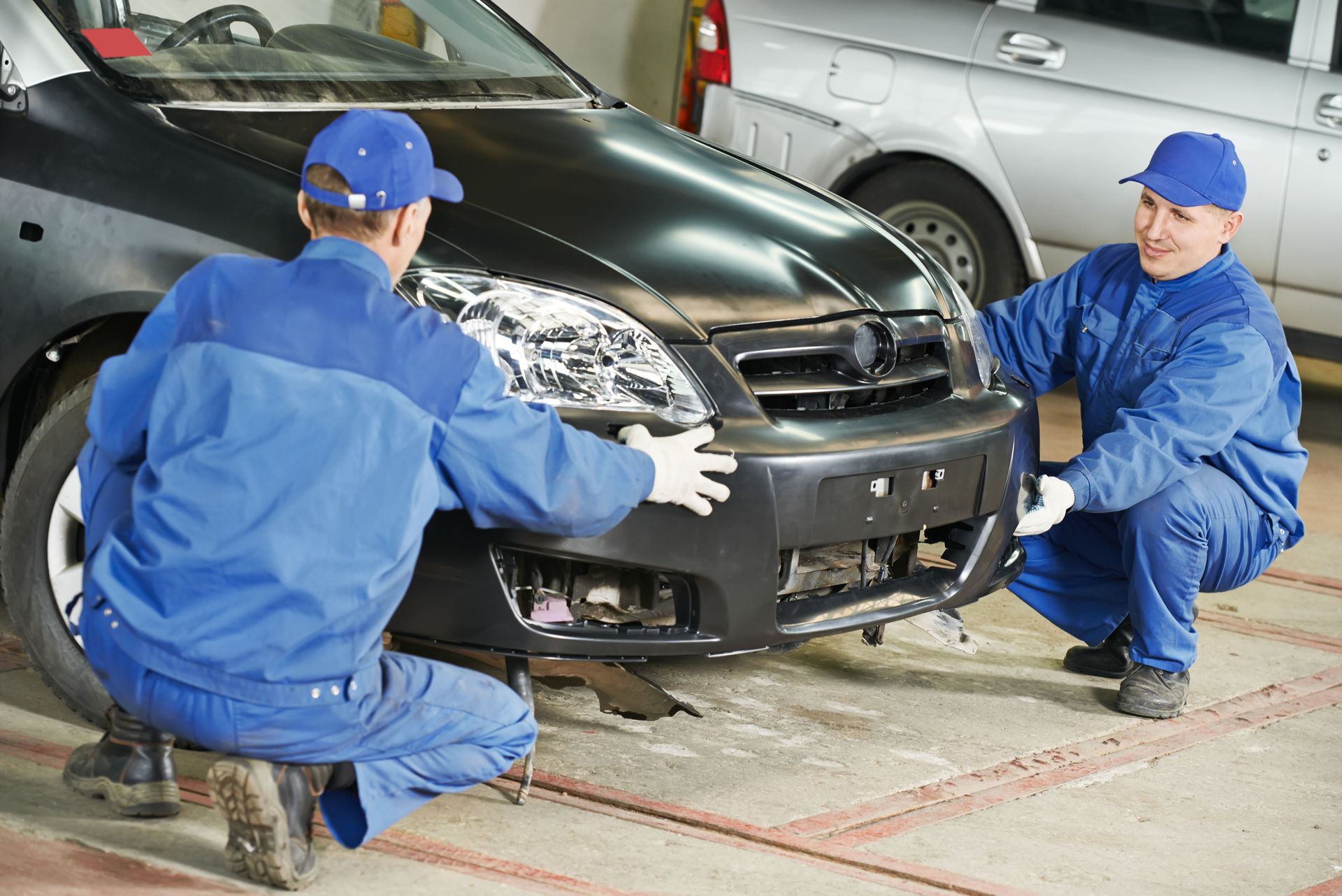
Experienced local car body shops often work directly with insurance companies to simplify the repair process for drivers. This coordination helps ensure repairs meet industry standards while reducing unnecessary delays. Professional repair teams also focus on matching paint finishes accurately so the restored areas blend naturally with the rest of the vehicle.
2. Head-On Collisions
How Head-On Collisions Occur
Head-on collisions happen when the front ends of two vehicles strike each other directly. These accidents often occur because of distracted driving, unsafe passing, impaired driving, or drivers crossing into oncoming traffic lanes. Since both vehicles are usually moving at the time of impact, head-on crashes are often among the most severe types of accidents repair shops encounter.
The force generated during a head-on collision can affect nearly every major system in a vehicle. Engine compartments, suspension systems, steering components, and safety features frequently sustain heavy damage. In some cases, the impact can even shift the entire frame structure, requiring extensive restoration work before the vehicle can safely return to the road.
Structural Damage Associated With Head-On Impacts
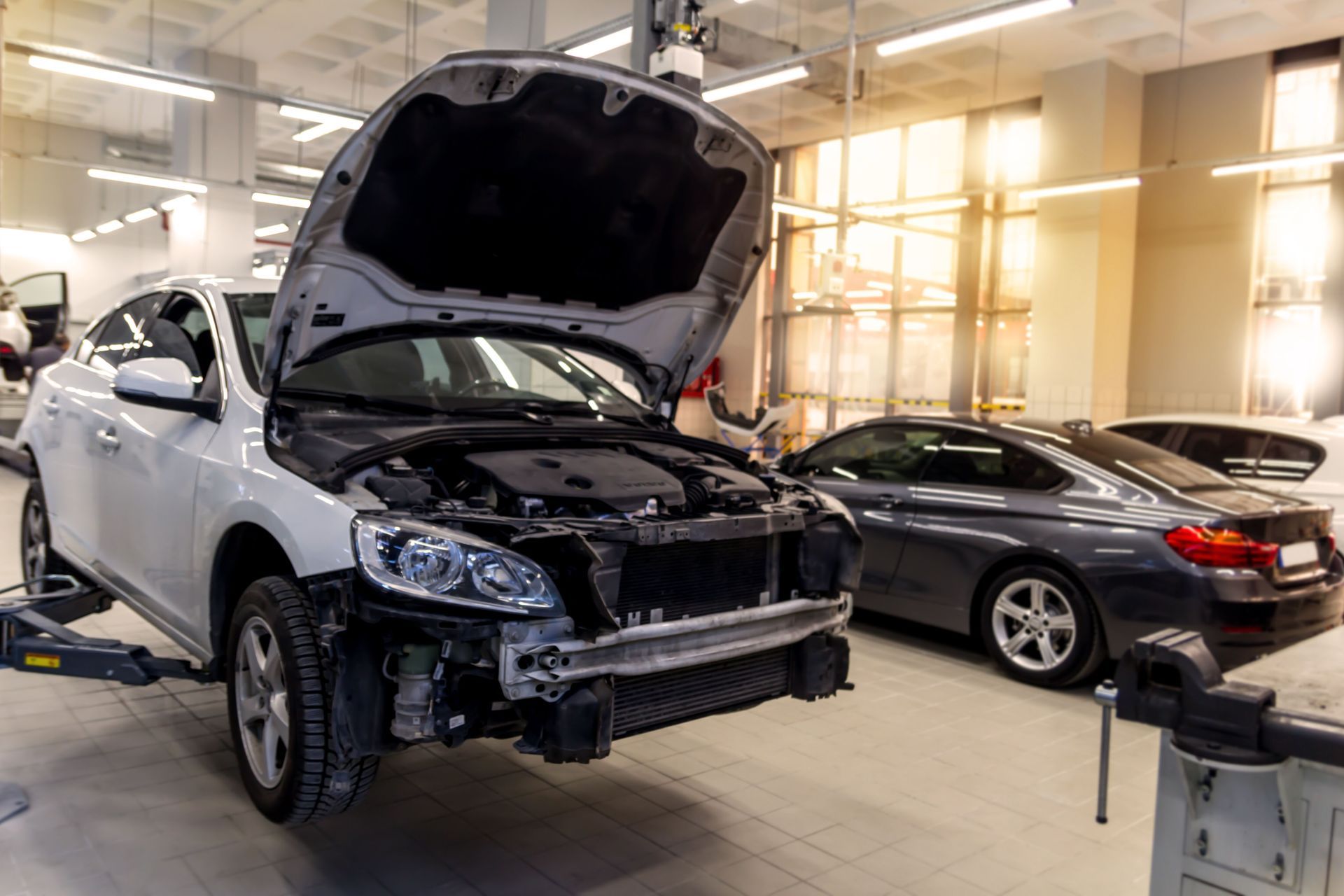
Front-end collisions commonly damage hoods, bumpers, grilles, headlights, radiators, and engine components. However, the visible exterior damage often represents only part of the overall repair process. Internal systems such as cooling components, airbags, and steering assemblies may also require replacement or recalibration after a serious impact.
Because of the complexity involved, local car body shops usually perform comprehensive inspections to identify all affected areas. Repair technicians measure frame alignment carefully to determine whether the structure has shifted during the collision. Addressing these issues correctly is essential because even small structural deviations can affect vehicle safety and performance long after repairs are completed.
The Importance of Thorough Collision Restoration
Head-on collision repairs require a detailed and methodical approach to ensure the vehicle functions properly again. Repair specialists often replace damaged structural components, restore alignment, and inspect safety systems before returning the vehicle to the owner. Proper restoration helps preserve both the safety and long-term value of the vehicle.
Insurance claims related to head-on crashes can also involve extensive documentation because of the severity of the damage. Many local car body shops assist customers throughout this process by communicating directly with insurers and providing accurate repair estimates. This support can help reduce stress for drivers already dealing with the aftermath of a serious accident.
3. Side-Impact Collisions
Situations That Lead to Side-Impact Accidents
Side-impact collisions occur when the side of one vehicle is struck by another vehicle. These accidents frequently happen at intersections, in parking lots, or during lane-change incidents. Since the sides of vehicles have less space between passengers and the point of impact, side-impact crashes can create serious safety concerns and extensive vehicle damage.
The force of a side-impact collision often spreads across doors, side panels, windows, and support pillars. Depending on the location of the impact, the crash may also affect wheel alignment, suspension systems, and internal structural supports. This wide range of possible damage makes professional inspections especially important after side-impact accidents.
Types of Repairs Needed After Side-Impact Damage
Repairing side-impact damage can involve replacing doors, repairing crushed panels, restoring paint finishes, and correcting structural distortion. In more severe collisions, technicians may need to repair or replace support pillars that help protect occupants during future accidents. Window mechanisms, mirrors, and side airbags may also require attention during the repair process.
Many local car body shops prioritize careful structural evaluations during side-impact repairs because hidden issues can affect how the vehicle performs in another collision. Technicians often use specialized measuring systems to confirm the vehicle's frame remains within manufacturer specifications. These detailed inspections help ensure the repaired vehicle maintains its original level of safety.
Long-Term Benefits of Quality Side-Impact Repairs
High-quality repairs can help prevent future mechanical issues caused by unresolved structural damage. Problems such as uneven alignment, improper door sealing, and unusual tire wear may develop if repairs are rushed or incomplete. Thorough restoration work helps improve both vehicle reliability and driver confidence after an accident.
Drivers also benefit when repair professionals take the time to restore the cosmetic appearance carefully. Accurate paint matching and panel alignment help maintain the vehicle's resale value while improving overall appearance. For this reason, many local car body shops focus on combining structural restoration with detailed finishing work during the repair process.
Auto collisions can affect nearly every part of a vehicle, from exterior panels to critical structural systems. Rear-end, head-on, and side-impact accidents each create unique repair challenges that require professional attention and careful inspection. Understanding how these collisions affect vehicles helps drivers recognize why proper repairs are essential for both safety and long-term performance.
Working with experienced local car body shops can help drivers restore their vehicles with greater confidence after an accident. From identifying hidden damage to coordinating insurance claims, professional repair teams play an important role in returning vehicles to safe operating condition. Quality collision repair not only improves appearance but also helps protect drivers and passengers long after the repairs are complete. For a body shop you can count on to get you back on the road after an accident, reach out to CARSTAR!