August 4, 2026
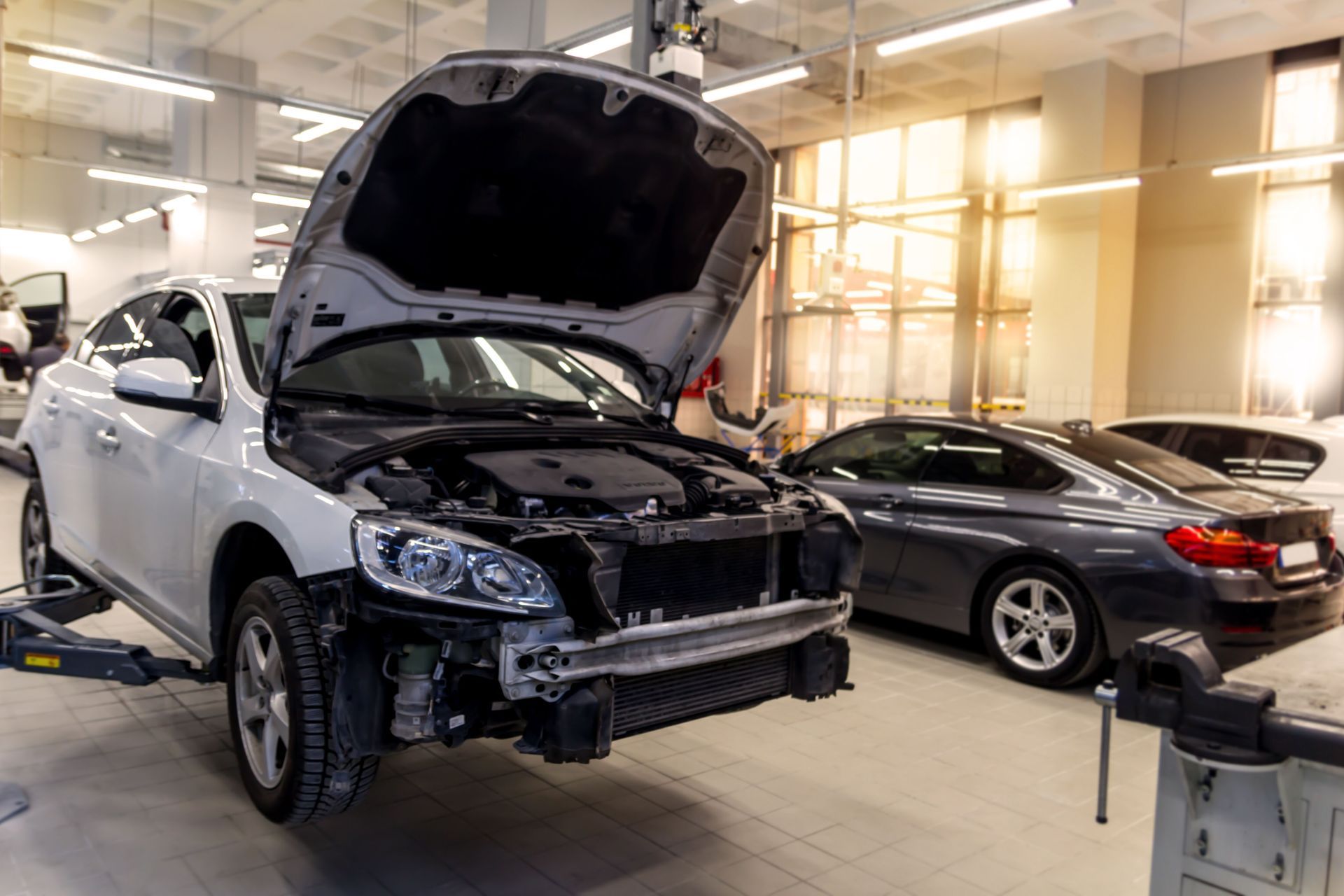
Explore the common signs that indicate your vehicle requires auto body repair. Understanding these warning signals not only ensures your safety on the road but can also save you money in the long run by addressing problems before they escalate. With the average vehicle age reaching 12.5 years in 2023, according to Gitnux.com, recognizing the need for repairs is more crucial than ever. As cars age, they are more prone to wear and tear, making regular maintenance and repairs essential to sustain their longevity and performance. By staying informed about potential issues, car owners can take proactive measures to keep their vehicles in optimal condition.
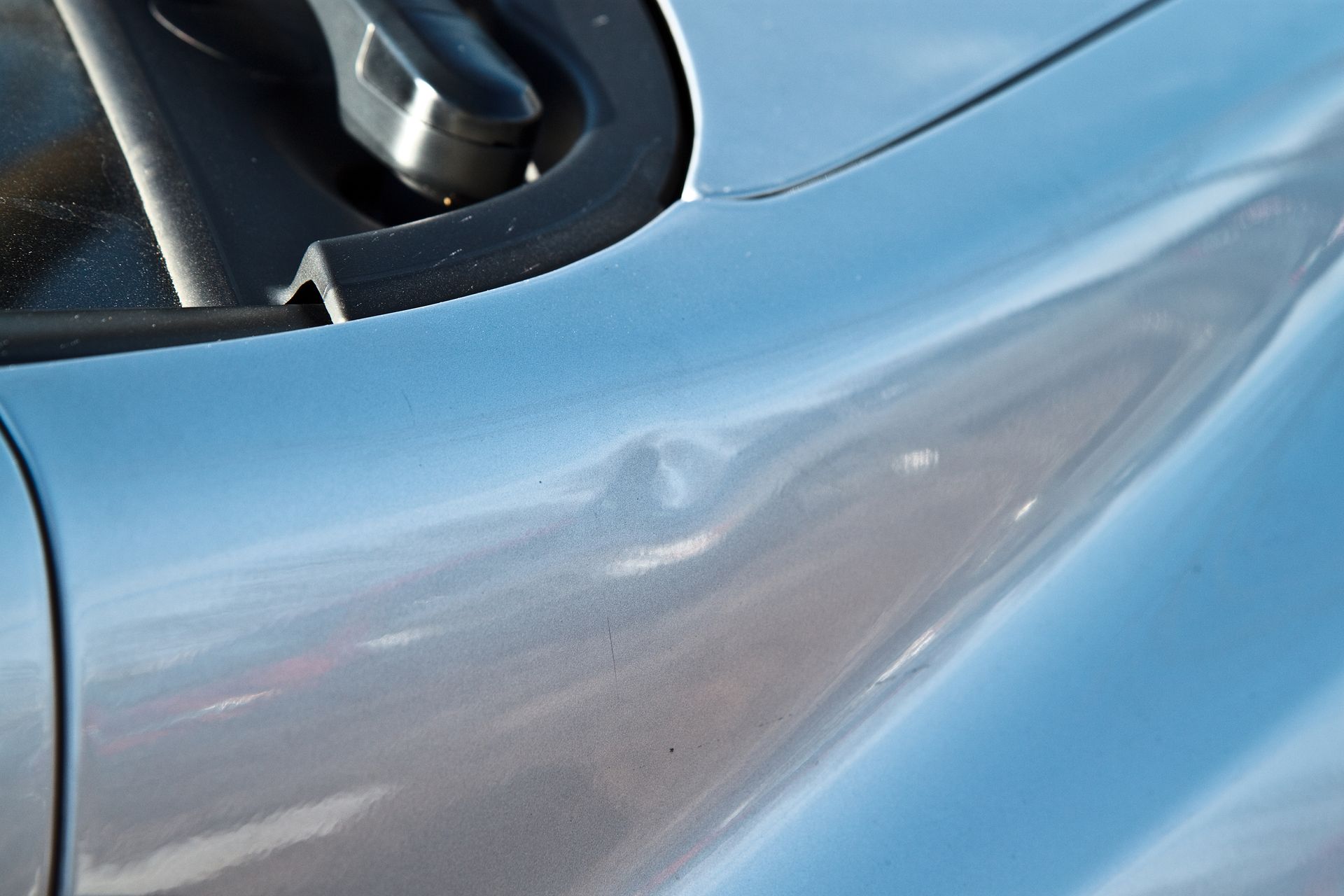
Addressing Visible Dents and Scratches
Visible damage can significantly diminish the aesthetic appeal of your vehicle. Such blemishes occur from minor accidents, shopping cart encounters, or environmental factors. A car marred with visible exterior damage often gives the impression of neglect, regardless of its mechanical soundness. Beyond aesthetics, damage to the vehicle's exterior impacts personal and professional image. Swift response to visible damage is advisable to maintain both the look and overall market value of your automobile.
Ignoring scratches and minor impacts can quickly result in rust formation. When paint is scratched or chipped, it exposes the underlying metal to moisture and air, leading to oxidation. Over time, this oxidation turns into rust that deeply compromises the integrity of your vehicle's frame. Rust spreading under the surface causes significant structural issues and safety concerns. Prompt attention to surface issues prevents the costly removal of rusted sections and extensive replacements down the road.
In addition to surface damage and corrosion, exterior impacts can jeopardize the overall structural integrity of your car. Even a minor frame crease, if positioned unfavorably, could negatively affect how the car absorbs shocks or stress during a collision. This compromises passenger safety and leads to greater damage in the event of an accident. It is crucial to assess and repair such damage to ensure that the car maintains its intended factory safety features.
Identifying Unusual Noises
Unusual noises, such as clunking or rattling sounds, often signal underlying structural or body problems that require immediate professional evaluation. Such sounds stem from loose body panels, damaged suspension components, or underlying mechanical issues. It is vital to pinpoint the source of these sounds early, as they indicate anything from minor hardware issues to severe mechanical failures. Proactively addressing the cause helps prevent extensive structural damage and expensive labor costs.
Scraping or grinding noises often suggest severe problems with the vehicle frame, brakes, or wheel wells. Such sounds typically occur when misaligned body parts rub against mechanical systems due to physical damage or severe component wear. Given the diverse causes behind these noises, a thorough auto body repair inspection is recommended to diagnose and resolve potential driving hazards. Ignoring these warning signs leads to severe vehicle damage or potential accidents on the road.
If you notice unusual sounds while turning, this frequently indicates issues with the structural suspension or steering components. Such problems directly affect your ability to control the vehicle, increasing safety risks. These sounds are often the result of worn-out tie rods, damaged ball joints, or deteriorated suspension mounts that affect the alignment of the body frame. Given their critical role in control, repairing these body components promptly enhances driving safety and prevents further related damage.
Correcting Mismatched Paint
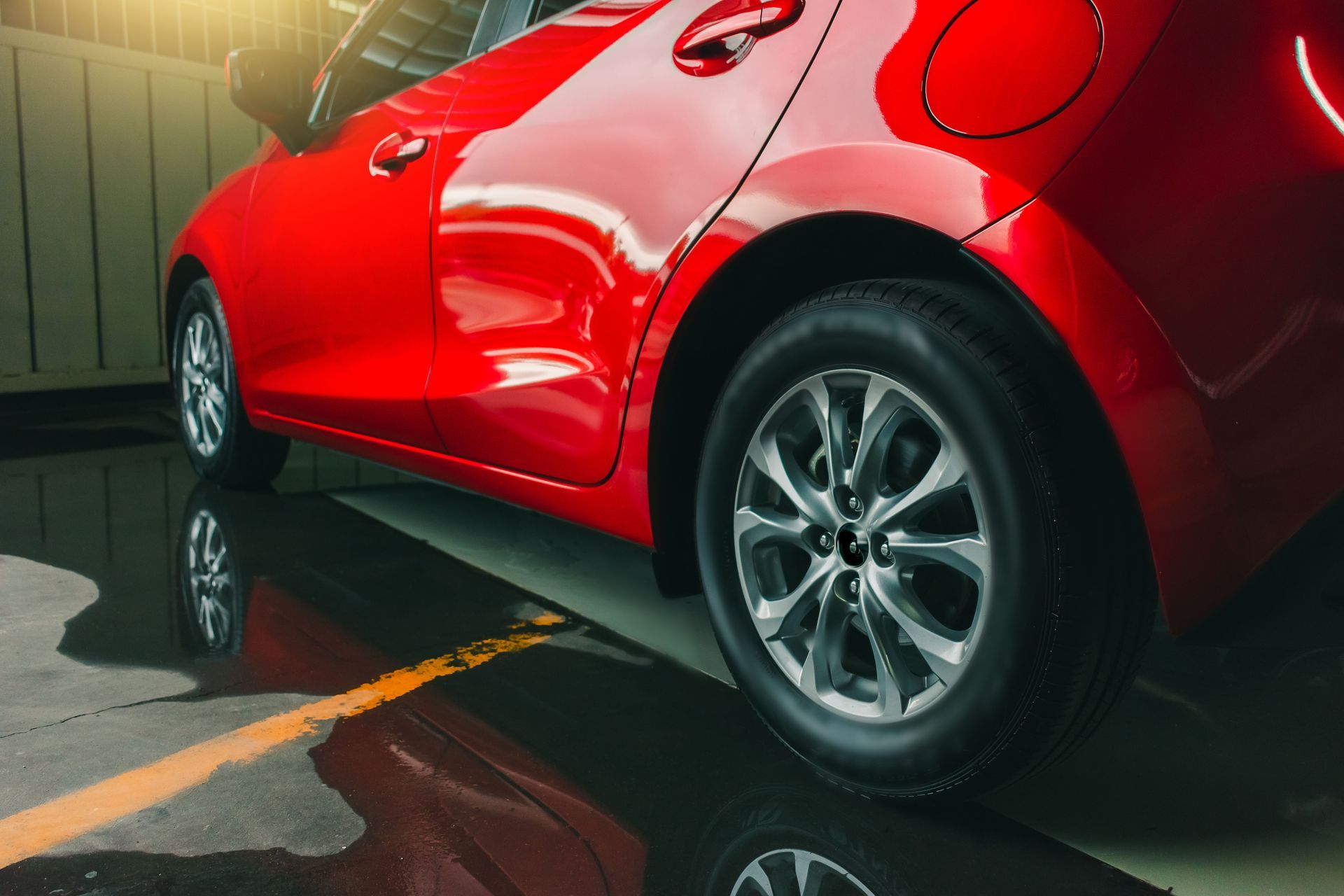
Mismatched paint is a common issue that occurs after improper collision restoration, often when sections of the car are repainted without professional color matching. Differences in paint color arise from variations in shade or texture due to improper blending techniques or inadequate facilities. Environmental factors, like sunlight exposure and weather conditions, also contribute to color changes over time. Furthermore, manufacturers frequently update paint formulas, which leads to difficulties in perfectly matching new finishes to older vehicles.
Over time, exposure to intense sunlight and adverse weather conditions leads to noticeable discoloration and fading of a vehicle's original finish. Ultraviolet rays, moisture, and road pollutants accelerate these effects, making the color appear uneven or mismatched, especially on older vehicles. Such wear detracts from the vehicle's overall appearance and emphasizes ongoing damage like surface scratches. Professional repainting and protective clear coatings help preserve the paintwork against harsh elements and extend vehicle longevity.
For vehicles used in business, paint mismatch carries significant commercial implications. Consistent paint quality and precise color blending are essential for maintaining a professional image and brand identity, especially for fleet vehicles. Inconsistent or poorly maintained exteriors negatively impact customer perceptions and brand integrity. Keeping the paint finish uniform across all vehicles is necessary to reinforce brand recognition, consumer trust, and long-term resale value.
Resolving Noticeable Gaps Between Panels
Unusual gaps between body panels directly affect the aerodynamic efficiency of your vehicle, potentially increasing fuel consumption and reducing road performance. The seamless flow of air around the chassis is disturbed by irregular panel spacing, resulting in additional drag and reduced fuel efficiency. Misaligned panels also make the vehicle less stable at higher highway speeds, posing distinct safety risks. Regular checks to ensure proper body panel alignment are needed to maintain optimal aerodynamic performance.
Another critical issue posed by panel gaps is the severe risk of water leakage during adverse weather conditions. Rainwater entering through unsealed gaps can easily reach the vehicle's interior, potentially causing delicate electrical failures or hidden structural rust. Such leaks damage the cabin interior and impair functional electronic components, leading to costly repair bills. Regular inspections to check panel alignment and ensure weather seals remain intact prevent destructive moisture infiltration.
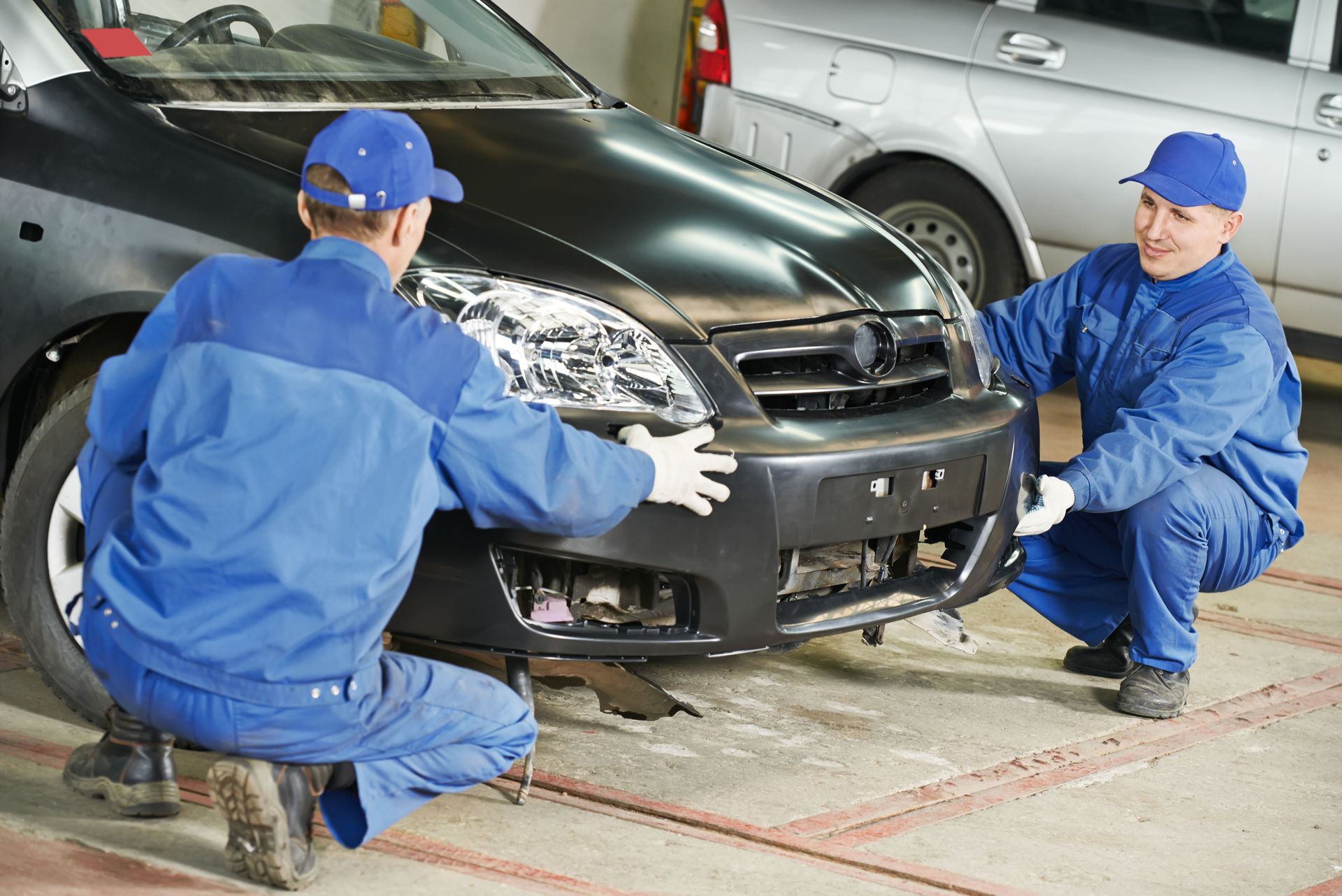
Misaligned panel gaps can significantly compromise the protective design features of a vehicle during a major collision. Properly aligned body panels absorb and disperse impact energy efficiently, shielding passengers from severe harm. Misaligned panels may not distribute crash forces correctly, endangering occupants during an impact. Repairing panel alignment restores structural integrity and ensures the chassis responds correctly during emergencies to maximize passenger safety.
Fixing Problems with Doors or Windows
Difficulty opening or closing doors and windows is a clear sign indicative of potential frame shifting or structural misalignment. Such functional issues arise from severe frame stress, physical collision damage, or worn hinges, all of which complicate daily vehicle functionality. This operational inconvenience also poses a direct safety threat in emergencies requiring quick evacuation. Addressing these functional issues ensures easy access and reinforces the overall structural integrity of the vehicle frame.
Window mechanism failures, such as glass getting stuck or moving unevenly, are often the result of bent door frames or failing electrical components. These issues disrupt essential ventilation and expose the interior to severe weather conditions. Ignoring door and window alignment problems leads to complete mechanism failure and significantly higher repair costs. Repairing faulty regulators and restoring proper door geometry prevents long-term interior damage and restores original functionality.
Structural problems with doors or windows frequently cause weather sealing and insulation deficiencies. Poor sealing allows external air, moisture, and harsh road noise to penetrate the cabin, detracting from driving comfort. Left unaddressed, moisture intrusion leads to interior mildew, metal corrosion, and electrical damage. Maintaining effective door sealing and proper auto body repair alignment guarantees a quieter, more comfortable, and protected driving experience.
Recognizing these key indicators ensures your vehicle remains safe, visually appealing, and structurally sound. Addressing minor frame, paint, and panel issues early prevents compounding damage and protects your investment over time. For more information about the services that we offer, reach out to our incredible team at CARSTAR today!